Here’s the thing with shampoo: the more we use it, the more we rely on it.
Commercial shampoos are often formulated with overly harsh chemicals that strip our locks of their natural oils. By removing these oils, we then cause the scalp to work overtime to replenish the stores and replace what was lost, leaving us with greasy roots and reaching for the shampoo bottle — again.
While breaking the habit is easier said than done, going shampoo-free is definitely possible. Replacing chemical-rich formulas with natural alternatives may result in the soothing of irritated scalps, reduction of excess oil production or boosting the shine of lacklustre strands.
What are the benefits of going shampoo-free?
Going shampoo-free, also known “no shampoo method” or “no-poo,” requires eliminating the use of traditional shampoos and relying on alternative methods (many of which can be found in the kitchen) to clean and care for your hair.
While it mightn’t suit everyone, there are a few potential benefits that come with ditching your bottle of shampoo:
1/ Regulate your scalps natural oils
The frequent use of a traditional shampoo can strip the scalp and hair of its natural oils. As a result, our scalp can begin to respond by overproducing oil in a bid to compensate. By breaking this cycle, the scalp’s oil production can begin to balance itself out. The result? A less oily scalp.
2/ Decrease dandruff
Funnily enough, our first instinct for fighting a flaky scalp is to lather it in an anti-dandruff shampoo. And while this method can be effective, eliminating shampoo allows the scalp to restore its natural pH balance and alleviate these issues without using shampoo as a Band-Aid for soothing scalp irritation.
3/ Cost
We’ve all been hit by the rising costs of living. And let’s face it, food and shelter are probably higher on our list of needs than haircare. If you’re looking to save some coin where you can, cutting traditional shampoo off your shopping list might sound appealing.
4/ Reduce your environmental impact
Small tweaks make a big difference. The production of each traditional plastic shampoo bottle contributes to water pollution and waste.
The best natural shampoo alternatives for dry hair
1/ Water
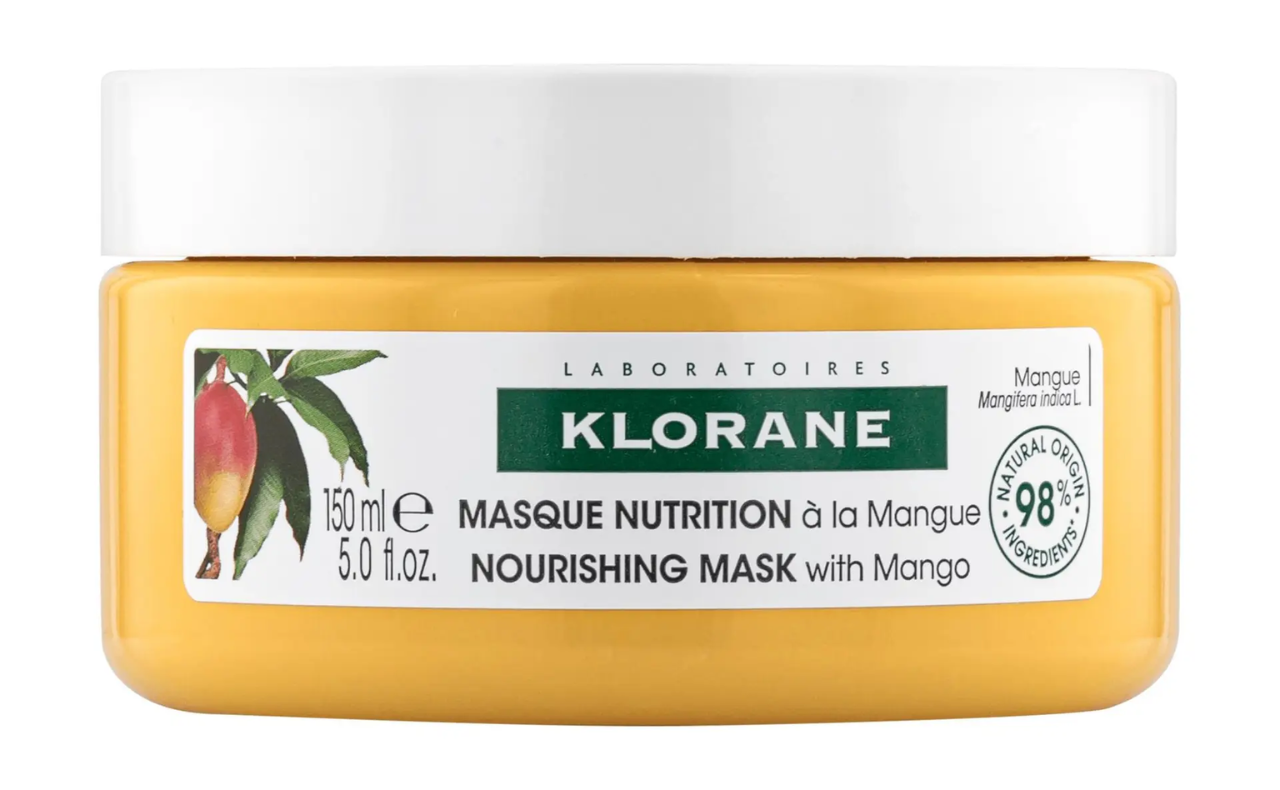
Washing our hair until it is ‘squeaky clean,’ often strips our locks of the natural oils that play an important role in reducing frizz and increasing shine. Try swapping out your shampoo with nothing but lukewarm water and finishing with a deep conditioning mask like Klorane’s Nourishing Mango Butter Mask ($19.99 from Chemist Warehouse) to seal in any moisture.
Review: “This mask smells amazing! My hair feels silky soft, looks shiny and is frizz-free! I love it and would use it everyday if I could because my hair looks so healthy.” — Sparkle 77
Read more Klorane Nourishing Mango Butter Mask reviews
2/ Egg
Believe it or not, eggs are one of the best natural shampoo alternatives available. They essentially act as both a shampoo and conditioner; the egg white plays the part of a surfactant, pulling dirt and oil from the hair shaft, while the egg yolk is hydrating like a conditioner. However, If you have oily hair, it’s recommended not to include the egg yolk in your cleansing routine.
How to use: Crack an egg into a squeeze bottle and shake it around to create your shampoo. Make sure to use cool water and leave it on for about three minutes before rinsing out.
3/ Coconut Milk + Olive Oil Mix
We all know that coconut oil makes a great hair mask, but did you know that coconut milk makes a great shampoo? This shampoo alternative keeps dry scalps and hair hydrated, smooth and thoroughly cleansed.
How to use: Mix one can of coconut milk, ¾ cup of pure castile soap, one teaspoon of olive oil and one teaspoon of coconut oil. Use in place of your regular shampoo.
4/ Water and Lemon Juice
Perfect for those with strands on the drier side, lemon juice makes a great hair cleanser thanks to its strong antibacterial properties. It even works as a pseudo-purple shampoo for blondes, helping reduce brassy tones and keep blonde hues bright.
How to use: Squeeze an entire lemon into a cup of water and lather onto hair. Leave it to sit for a couple of minutes before rinsing out.
The best natural shampoo alternatives for irritated scalps
1/ Oat Milk
While the benefits of using oats on your skin have long been proven, the same goes for using oats – specifically oat milk – in your hair.
Using oat milk as a shampoo is ideal if you suffer from scalp issues like irritation or dandruff because of its powerful anti-inflammatory properties. Oat milk is also rich in proteins and fats which can help to strengthen strands and leave hair silky and shiny.
How to use: Cover your roots in the oat milk. Massage the milk into your roots for two minutes and then apply to the rest of your hair. Let the oak milk sit for 20-30 minutes before rinsing out.
2/ Herbal Tea
It sounds weird, but the next time you put the kettle on to make yourself a herbal tea, why not try washing your hair with it too?
Herbal teas are great for gently cleansing hair, with different teas being better suited for different hair types. For example, chamomile tea is best for blonde hair and rosemary tea is best for dark hair.
How to use: You can either make yourself a pot of herbal tea and quite literally pour it over your head, gently massaging your scalp, or you can mix it together with a few teaspoons of your favourite essential oil and some baking soda for a more thorough cleanse.
3/ Tea Tree Oil
Tea tree oil is arguably the most effective natural anti-dandruff alternative. If you’ve long suffered from psoriasis of the scalp, severe irritation or seborrheic dermatitis, try swapping out your shampoo for a tea tree oil rinse. Plus, if certain areas are in need of a little extra TLC, this tea tree mix works as a scalp-soothing spot treatment.
How to use: Mix a few drops of tea tree oil with water (there’s no exact measurement that’s right or wrong here!) and massage for 3-5 minutes into the scalp before rinsing.
The best natural shampoo alternatives for oily hair
1/ Baking Soda
A natural clarifier, baking soda works to neutralise odours, remove build-up and offer an overall detox in a similar way that a scalp scrub would. However, baking soda can be abrasive if used too often and is therefore not recommended for sensitive skin or dry hair types. On the other hand, much like volume-boosting products, fine and limp hair types may greatly benefit from the body and texture that baking soda can offer.
How to use: Mix one part baking soda with three parts water. Wet your hair, then apply the mixture from the roots to the tips and let soak for one minute before rinsing.
2/ Apple Cider Vinegar
Although frequently praised for its immune-boosting benefits, it turns out apple cider vinegar also offers relief from common hair issues like dandruff or excess oil.
How to use: Mix between two to four tablespoons of apple cider vinegar (depending on how oily your hair is) to one and a half cups of water. Massage in from root to tip. We recommend applying with a spray bottle to avoid oversaturation. Allow the mixture to soak for five minutes before rinsing.
3/ Rhassoul Clay
Rhassoul clay is rich in minerals like magnesium, potassium and calcium, which help to restore damaged hair by absorbing excess sebum and dirt from deep within the scalp and strands.
How to use: Mix two spoonfuls of rhassoul clay with just enough boiling water to create a paste. Let the paste cool, and lather on hair. Leave it on for 2-3 minutes and rinse thoroughly.
Main image credit: @gentlehairdos
Have you tried any of these natural shampoos? What’s your best DIY hair treatment tip?


I’ve tried many shampoo alternatives and they didn’t work out for me. I use a shampoo bar and rinse with apple cider vinegar.
I’m washing my hair twice a week now, sulphate free shampoo is a good option.
I’d be interested to try some of these, would do it on a day where I wasn’t leaving the house though to test out
I’ve never thought of going without shampoo. I’d give the oak milk a try, it sounds gentle.
I’ve heard apple cider vinegar is good for those with oily hair
Some handly tips.
I’ve tried a vinegar rinse in the past, but after shampooing, not instead of shampooing.
I tried a version of the mango a while ago. Not my jam.
I’ve used leftover beer on my hair before. After people have left at my house after parties. New bottles and cans, not partially opened.
Never thought of this. Waste not want not.??
No thank you I love washing my hair